
Teachers are performing the impossible in practically every school in America today. In addition to handling lesson ideas, test preparation, and paperwork, they are also making an effort to provide each student with the individualized attention they are entitled to. It makes sense why so many people feel overburdened. Recently, a new set of resources has started making its way into schools, offering a different kind of support. Educators are beginning to explore AI tools for personalized behavior support in classrooms, not as replacements for human connection, but as quiet partners that can help teachers notice patterns earlier, respond with empathy, and keep kids on track. For many teachers, the idea isn’t about adopting the latest tech fad; it’s about finding ways to keep their classrooms human-centered while still managing the workload.
Why Classroom Behavior Needs Rethinking

Everybody who has ever worked with children understands that behavior is seldom arbitrary. A child who chatters all day in class may be bored, another who clams up may be feeling overwhelmed, and one who acts out may be bringing something heavy home from the dinner table. Classical discipline strategies typically overlook those deeper strata. The result? Kids are misunderstood, and teachers are reduced to reacting rather than being proactive. Indeed, a recent survey by the National Center for Education Statistics reported that close to a third of American teachers experience disruptive behavior on at least a weekly basis. That doesn’t only impact the individual student; it hinders learning for all. Remodeling behavior support as an act of getting to know someone rather than punishment is what is so interesting about today’s AI tools.
The New Role of AI in Education
For years, classroom management relied on tracking systems: behavior charts on the wall, notes home, or simple digital logs. They helped, but they couldn’t show the bigger picture. AI changes that. Instead of just recording what happened, these systems can detect patterns across days, weeks, or even semesters. A tool might highlight that a child gets restless mid-morning or struggles to stay focused after a transition. To a busy teacher balancing 25 kids, those patterns are easy to miss. According to HolonIQ’s 2024 forecast, global spending on AI in education will cross $25 billion by 2025, with much of that growth tied to personalized student support. But for teachers, the true value isn’t in the size of the investment — it’s in how AI gives them a clearer window into their students’ needs.
How Schools Are Already Using These Tools
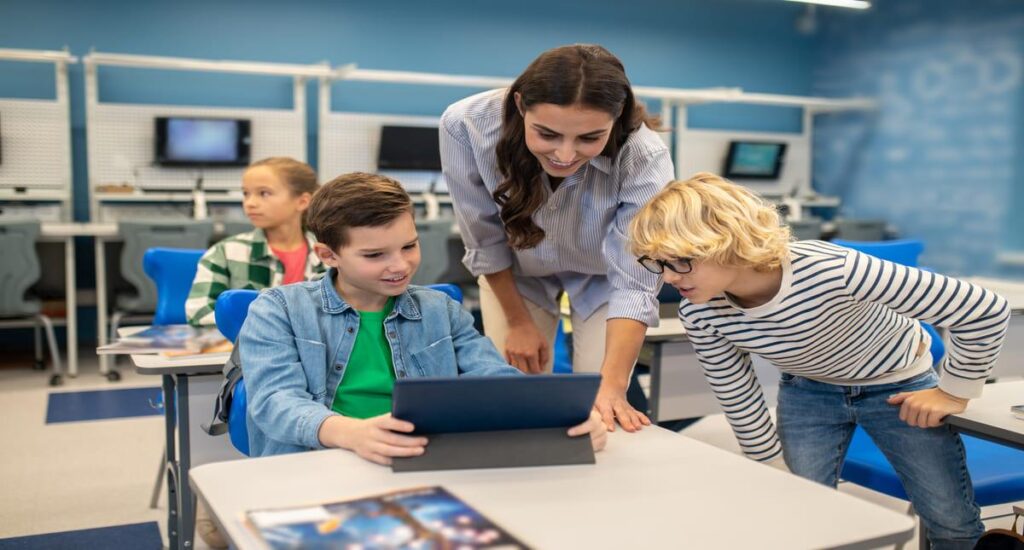
AI in the classroom isn’t just a theory anymore; schools are already experimenting. Classcraft, for example, gamifies positive behavior and quietly uses AI to reward consistency. Panorama Education provides dashboards that pull together behavior and emotional data so teachers can act sooner. A Massachusetts district that tested AI-based monitoring tools reported a noticeable 20% drop in behavior incidents within a year. Those numbers aren’t magic — they reflect what happens when teachers get real-time insights instead of waiting for small problems to snowball. The most important part is that these tools don’t punish. Instead, they help teachers see what’s working and adjust their approach. That distinction is why more educators are willing to give AI a chance in their classrooms.
Personalized Help at Scale
The dream of education has always been to tailor learning to each student, but in practice, one teacher can only do so much. The impossible seems more doable with AI. Based on each student’s unique needs, these systems can recommend interventions such as a brief movement break for a restless student, a push toward group work for a lonely student, or a referral to a counselor when patterns point to more serious issues. Although they don’t have to spend hours putting it together, teachers still have the last say. AI essentially acts as a second pair of eyes, discreetly assembling the minor elements that could otherwise be overlooked. It’s not about replacing teacher instincts — it’s about giving them sharper tools to act on what they already know.
Balancing Innovation With Responsibility

With every new technology in education, concerns are inevitable — and healthy. While instructors wonder if relying too much on algorithms may unjustly categorize pupils, parents are concerned about data privacy. Ignoring these worries would be a mistake since they are legitimate. The top colleges are tackling them head-on by establishing explicit guidelines for what information is gathered and who has access to it. Transparency builds trust. Just as important, teachers remain the decision-makers. AI might flag a behavior pattern, but it doesn’t know a student’s home situation, personality, or history. That’s where human judgment comes in. Research from the Brookings Institution stresses that when AI is paired with teacher expertise rather than replacing it, outcomes are far more positive — and far less worrisome for families.
Teachers and Technology Working Together
The classrooms that succeed with AI aren’t the ones chasing every new app. They’re the ones where teachers help shape how the tools are used. A teacher’s intuition is invaluable. Maybe they notice a student who seems unusually quiet. The teacher recognizes that a week-long drop in involvement is more than just a hunch and that it’s a trend that needs to be addressed when AI data supports it. That combination of gut instinct and hard data makes interventions more timely and effective. Many teachers who’ve tested these systems describe them less as “technology” and more as a silent assistant. Additionally, that additional layer of support might mean the difference between balance and burnout for educators who already put in long hours.
Preparing for a Smarter Future

The goal of implementing AI in schools is to create a culture of preparedness rather than simply flick a switch. Training is crucial. Teachers need time and support to learn the tools, understand what the data means, and decide how to use it. Some districts have created “AI coaches” — educators who test tools first and mentor their peers. Others start with pilot programs before expanding. This gradual approach makes sure the tools don’t feel like an extra burden. The transition goes more smoothly the more preparation schools put into it. As these tools develop, they’ll probably become just another aspect of the educational environment, much like digital gradebooks or smartboards.
What Comes Next for Classrooms
It’s simple to imagine a classroom in the future when AI subtly assists teachers and pupils on a daily basis. Suppose a teacher begins each morning by providing a brief overview of who is doing well, who had a difficult day yesterday, and who may need support. Parents should be updated more frequently, not only when anything goes wrong but also when things go better. The experience for students might feel more tailored, with little changes that support their success without attracting unfavorable notice. Far from replacing teachers, AI could help restore balance by giving them more time to connect — the part of teaching that no technology can replicate.
Conclusion
At its core, education has always been about relationships. Kids don’t remember the software used in their classrooms; they remember the teacher who believed in them. Therefore, rather than representing a move away from humans, the emergence of AI tools for personalized behavior support in classrooms can be viewed as a step toward greater human interaction. What teachers already do best—notice, care, and respond—is subtly enhanced by these technologies. They take some of the invisible weight off teachers’ shoulders so they can focus on the human moments that make a lasting impact. The future of education doesn’t belong to machines or algorithms. It belongs to the people who teach — now with a little more support than before. Follow for more updates on Technology.

Hi, I’m Sikander Naveed — the mind behind this platform dedicated to online earning, technology, and smart business ideas. I created this site to share practical knowledge, latest trends, and real opportunities that can help you grow financially in the digital world. Whether you’re looking to start a side hustle, explore passive income methods, learn about useful tech tools, or understand how digital businesses work, you’re in the right place.