
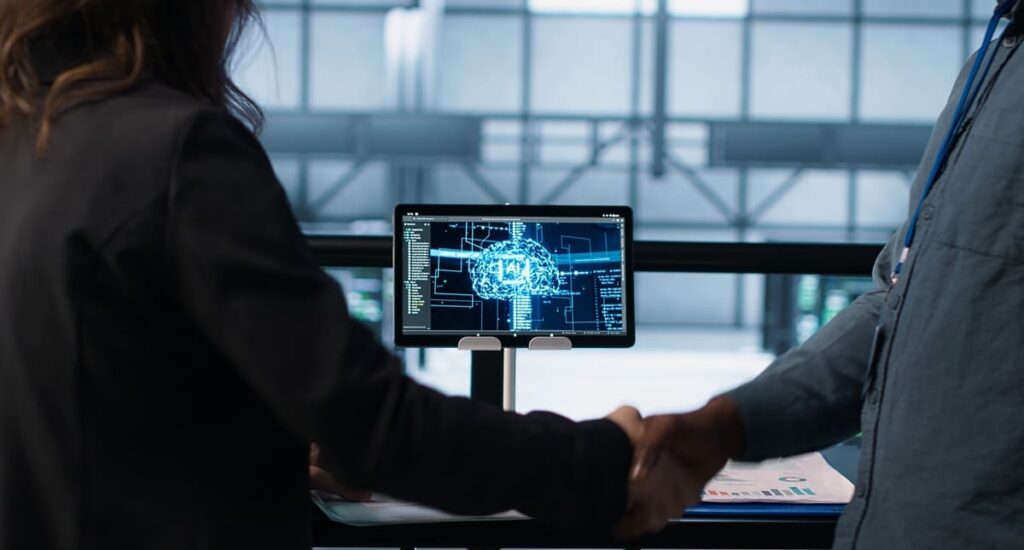
There’s something about change that both excites and unsettles you at the same time. In the world of consulting, that feeling has become almost constant lately. For decades, the craft was built on human judgment — the consultant walking into a room, reading the mood, understanding the numbers, and connecting the dots that others couldn’t. But now, things are different. AI and the future of consulting are tied together in ways that none of us imagined even five years ago. The old world of intuition is meeting a new world of intelligence — and it’s reshaping the very DNA of consulting.
“The ability to see, plan, and carry out the future is what will determine its fate.” — Sheikh Mohammed bin Rashid Al Maktoum
How Consulting Started to Feel Different
A few years back, I noticed consulting projects starting to move at an unfamiliar pace. Reports that used to take teams of analysts weeks to build were suddenly being produced in hours. At first, it felt strange — almost too easy. But what was really happening was a quiet revolution. AI had taken over to expedite the tasks that had previously held us down, not to replace consultants. Consultants could now concentrate on what truly mattered—understanding clients and developing strategies—instead of spending countless hours poring over data. Even though the adjustment was slight, it had a profound impact.
When Data Became the Real Story
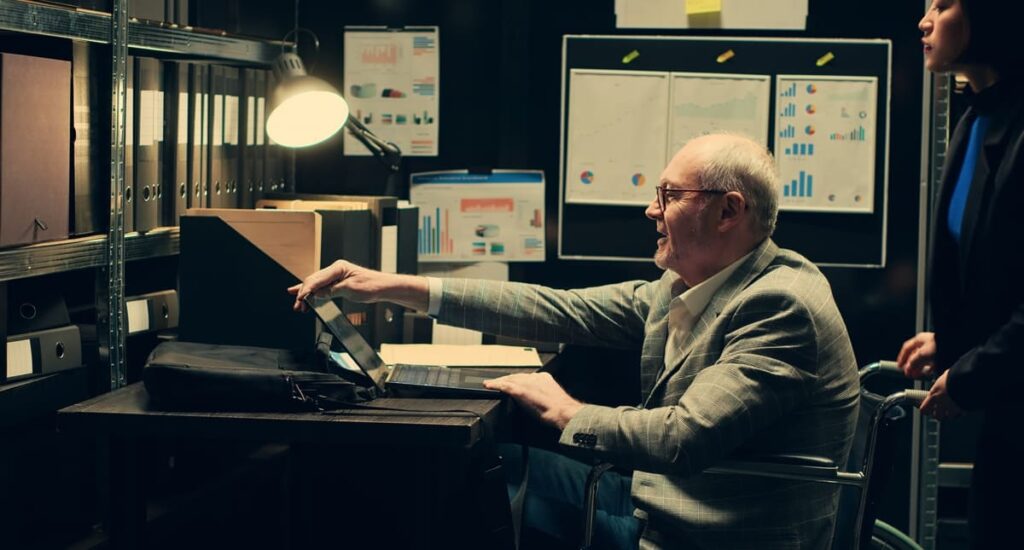
If consulting was once about experience and intuition, now it’s all about what the data is indicating. AI has made data come alive — not merely numbers on a spreadsheet, but signals, behaviors, feelings, and likelihoods all waltzing together. Consultants who previously depended on frameworks now depend on models that can forecast, model, and develop. But ironically, the more information we have, the more we understand how important human interpretation is. Because AI may present you with a trend, but it can’t tell you which one actually signifies something. That’s still the consultant’s role — to discover the story in the numbers.
The Personal Touch That AI Can’t Copy

Every client has their own rhythm — their own fears, hopes, and challenges. AI can process data about a company, but it can’t read the anxiety in a founder’s voice or the hesitation in a manager’s tone during a big decision. That’s where consulting still feels deeply human. I’ve sat in rooms where a single emotional cue told me more than a hundred reports could. AI can enhance what we know, but it can’t replace how we understand. The consultants who get this balance right — who mix data with empathy — are the ones shaping the next era of the industry.
When Machines Took the Busy Work
Let’s be honest — a big part of consulting used to be repetitive. Long nights cleaning data, building slides, and running calculations. AI took that weight off our shoulders, and thank goodness it did. Now, instead of spending energy on formatting, we can use that time for thinking. That’s the funny thing — AI didn’t take away our jobs; it gave us back the part of consulting that always mattered most: the thinking, the connecting, the creativity. The machine does the mechanical part, and we do the meaningful one.
The Gray Area No One Likes to Talk About

Of course, it’s not all smooth sailing. With AI making so many decisions, a quiet unease runs through the industry. How do we make sure these algorithms are fair? Who takes responsibility when an AI-driven insight leads to a bad call? Ethics used to be about honesty and discretion. Now it’s also about transparency — explaining how the tech works, where the data comes from, and what biases might lurk beneath it. The best consultants today are not just analysts or strategists. They’re also guardians — people who ensure technology is being used responsibly, not recklessly.
The Unseen Value of Human Connection
I’ve come to believe that consulting, at its core, is less about information and more about connection. The greatest breakthroughs I’ve seen didn’t come from perfect data but from imperfect conversations. You can’t train a model to sense when a client isn’t telling you the full story or when their silence says more than their words. That’s where human consultants will always have an edge — reading between the lines, guiding people through uncertainty, helping them believe in a future that doesn’t exist yet. AI can’t do that. It never will.
Adapting to a Future That Won’t Wait

One truth every consultant knows: the market never slows down for anyone. The firms that will lead the future are the ones that stay curious — the ones learning, experimenting, and adapting without fear. I’ve seen seasoned consultants reinvent themselves by embracing AI tools they once resisted. They’ve realized something important: AI doesn’t take your power away; it multiplies it. The more you master working with it, the more precious your human intuition is. The world of consulting is becoming a collaboration between humans and machines — a partnership of trust, creativity, and flexibility.
Final Thoughts
So here we are — standing between what consulting was and what it’s becoming. The future won’t be about who has the biggest team or the longest slide deck. It’ll be about who can think faster, understand deeper, and act with empathy while leveraging the best of technology. AI and the future of consulting aren’t in competition. They’re partners in shaping something better — a world where knowledge moves faster, where strategy feels more precise, and where people still matter the most.
The consultants who thrive in this new era won’t just know how to use AI. They’ll know how to humanize it — to turn intelligence into insight, and insight into action. That is the real future of consulting. Follow for more updates on Technology.
FAQs
1. How is AI really changing consulting?
To be honest, it’s wild to watch. I remember when consulting used to mean endless data sheets and late nights with coffee that tasted like regret. Now, AI handles half that stuff before lunch. It’s freeing, man. Instead of drowning in numbers, we get to actually think again — talk to clients, brainstorm, come up with real ideas. AI didn’t steal the job; it gave it some soul back.
2. Do you ever worry AI might replace consultants?
Nah, not really. Look, AI’s smart — no doubt. But it doesn’t get people. It doesn’t see the look on a client’s face when they’re unsure or nervous. It doesn’t feel that awkward silence in a meeting that tells you more than words do. You can’t automate human instinct. So yeah, AI’s a great assistant — but the trust, the empathy, the gut feeling… that’s still our lane.
3. What kind of skills actually matter now?
Funny thing — it’s not all technical like people assume. Sure, you gotta understand data, but the real magic is in connecting dots. You need to be curious, to ask “why” a lot, and to tell stories that make numbers make sense. The consultants who can turn a cold report into something that moves people — they’re the ones who’ll thrive. It’s not about being perfect; it’s about being human in a world that’s getting more robotic every day.
4. How do you make sure AI doesn’t cross the line?
That’s something I consider a lot. AI is great, but it’s just a tool. If the data’s biased, so will the results be. That’s where we need to intervene — question it, challenge it, ensure it’s fair. I’ve witnessed individuals blindly believing in algorithms, and that’s dangerous. Clients don’t recruit consultants to follow machines; they engage us to think. To ensure what’s right indeed feels right.
5. What’s your honest take on the future of consulting?
Honestly? It’s exciting. Messy, maybe, but exciting. I think the best consultants will learn to dance with AI instead of fighting it. Let the tech do the heavy work, and we focus on the heart — the people, the meaning, the creative spark that AI can’t fake. Consulting won’t die; it’ll evolve. The ones who stay human through it all… they’ll own the future.

Hi, I’m Sikander Naveed — the mind behind this platform dedicated to online earning, technology, and smart business ideas. I created this site to share practical knowledge, latest trends, and real opportunities that can help you grow financially in the digital world. Whether you’re looking to start a side hustle, explore passive income methods, learn about useful tech tools, or understand how digital businesses work, you’re in the right place.