
The same advice was given to us all growing up: acquire a degree, and everything else would work itself out. It sounded secure—even certain. But these days, that old path doesn’t look quite as solid. Industries are shifting fast, and people with no traditional diplomas are launching careers out of thin air. It makes you pause and ask the real question: skills vs degrees — which matters more for success? More and more, companies care about what you can actually do, not just where you studied. Degrees aren’t irrelevant, but they’ve lost their monopoly. Skills, especially those built through real work, are becoming the new currency of opportunity.
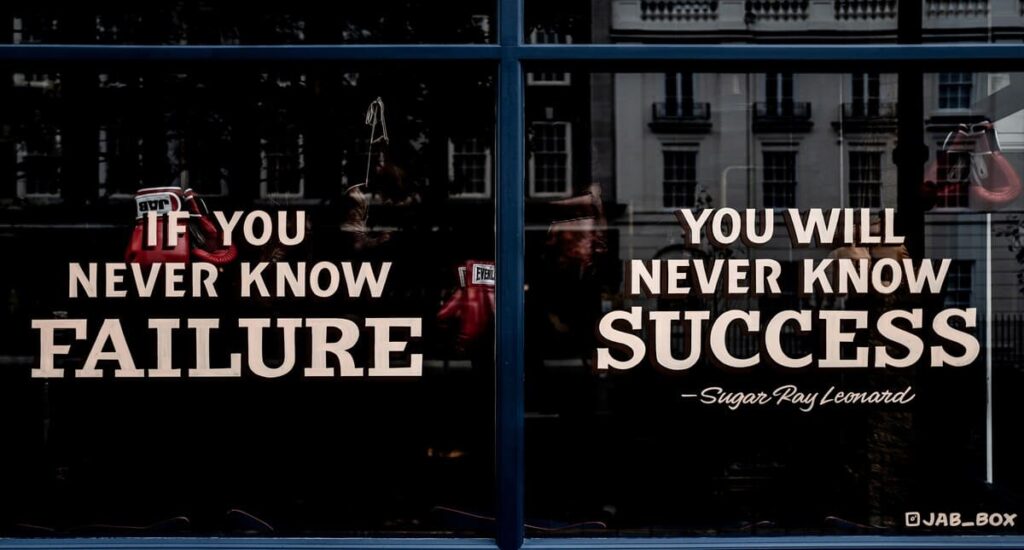
“Degrees can open doors, but skills keep them from closing.” — Doug Conant
Why Degrees Used to Mean Everything
There was a time when a degree acted like a universal key. It signaled discipline, knowledge, and reliability. In fields like medicine or law, it still does — no degree, no job. For decades, college was the safest way to prove your worth to employers. It gave people a ready-made network, mentors, and job leads that others had to fight for. Parents saw it as a secure bet, and for many years it really was. A diploma practically guaranteed a decent start. But as industries splintered and technology sped things up, that guarantee began to fade. Degrees still matter, just not like they used to.
The Quiet Rise of Skills
While degrees were losing their shine, skills quietly rose to center stage. Companies realized results come from people who can actually make things happen — not just talk theory. Tech firms, startups, even creative agencies now care more about portfolios than transcripts. Skills prove you’ve been in the trenches: solving problems, building things, adapting under pressure. Even traditional employers are starting to test applicants’ skills instead of just scanning résumés. It’s a silent revolution that’s opening doors for those without official qualifications. In a world that prioritizes outcomes, performance is more important than education.
Degrees Still Have Their Place
That said, writing off degrees completely would be a mistake. They can still open doors that are hard to push without credentials. Some companies use them as a filter, especially when hiring new graduates. A degree shows you stuck with something difficult and learned to navigate challenges. It also gives time for growth, self-discovery, and learning from failure — things that matter just as much as grades. While skills can get you moving fast, degrees can give your career depth and structure. They’re not outdated; they just work best when paired with the right skills.
Why Employers Lean Toward Skills Now

The shift toward skills is rooted in urgency. Companies don’t want to wait months for someone to get up to speed. They need people who can contribute immediately. Skills can be seen, measured, tested — in code, campaigns, designs, or projects that worked. Degrees can’t always prove that. Someone might have a diploma yet struggle to apply their knowledge. That’s why employers now ask for work samples, live tasks, or trial projects during hiring. They’re not trying to be harsh; they just need proof you can deliver from day one. In fast-moving markets, that proof matters more than paper.
The Smartest Route: Blend Both
The truth is, you don’t have to pick sides. The most competitive people usually mix both. A degree gives them the foundation, and skills make them stand out. Think of someone who studies business, then builds websites or runs social media campaigns on the side. That mix makes them stand out in a stack of applications. It shows they understand theory but also know how to make it work in real life. Employers love that. It tells them you can plan like a strategist and execute like a doer — and that’s rare.
The Need to Keep Learning

Whatever route you choose, one thing is non-negotiable: learning can’t stop. Skills fade. Industries change. Tools get replaced. The people who thrive are the ones who adapt. Many degree-holders go back for short courses to stay sharp. Many self-taught workers later pursue degrees to deepen their knowledge. Neither path is better; what matters is momentum. Staying curious, seeking feedback, and updating your toolkit regularly matters more than the piece of paper you started with. The most successful people don’t see education as a phase — they see it as a habit.
How Employers Are Changing
Even big-name companies are adjusting their views. Google, Tesla, and others have relaxed degree requirements, focusing instead on what applicants have actually done. They want problem-solvers, not just lecture survivors. It’s part of a broader shift called “skills-based hiring,” where experience and results weigh more than diplomas. Not every employer has caught up, and some still cling to old rules, but the trend is clear. The world is moving toward proof over paper, and that’s good news for anyone willing to show their work.
When Degrees Still Matter More
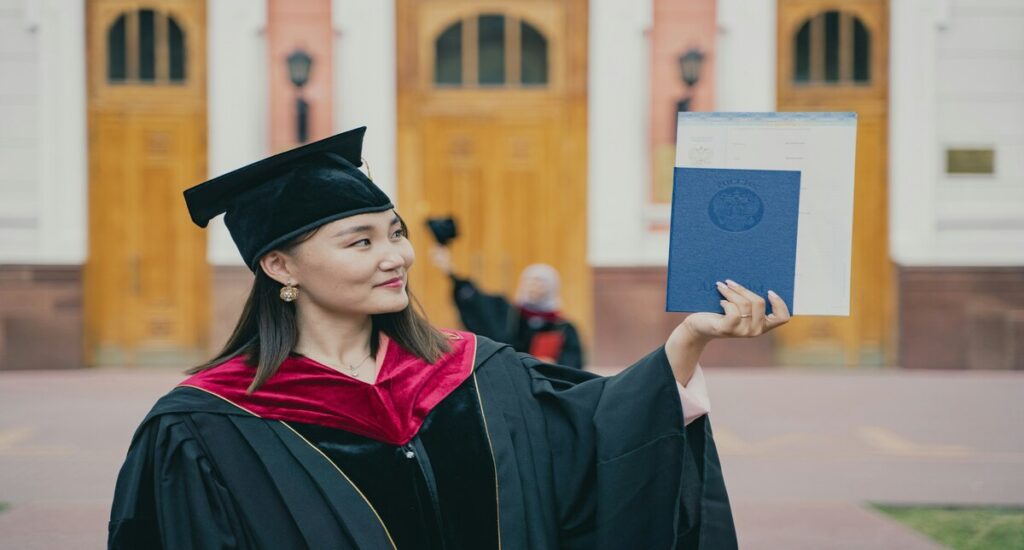
Still, there are careers where degrees are non-negotiable. Doctors, lawyers, engineers — you simply can’t practice without formal education. A degree can also help if you’re starting from scratch with no experience or network. It gives you a structured path, time to build confidence, and a credential that earns you a first look. For people who prefer structure and guidance, that’s invaluable. It takes longer, yes, but for some careers, it’s the safest foundation. It all comes down to what kind of work you want and how you learn best.
When Skills Matter More
Skills, however, come into their own in rapidly changing professions such as technology, marketing, design, and the media. Such professions are less interested in what you’ve studied and more interested in what you can produce. Skills are also the way to go when time or expense is an issue — you can develop them speedily, for little or no cost, and begin using them immediately. Production is more important than qualifications, as seen by the thousands of self-made industry experts who have made it this way. Skills alone can open doors that a degree might never open if you’re ready to work hard, try new things, and show off your accomplishments.
Conclusion

Ultimately, success is not about taking sides — it’s about selecting the path that aligns with your objectives. If you must have a license to practice, obtain the degree. If you aim to enter a rapidly evolving industry, prioritize skills first. Most people fare best by combining both: begin with whichever propels you forward and add the other on top. What your employers most want is easy — can you learn, evolve, and perform? That’s what creates true achievement: not merely the paper you obtain, but the incremental progress you continue to make. Stay tuned for more news on Business.
FAQs
Q1. Is getting a degree even worth it anymore?
Sincerely… yes, for some it still is. Like if you’re entering medicine, law, or something incredibly technical, a degree is basically not negotiable. But for most other jobs, particularly creative or digital ones, it’s no longer the only route. Employers are more interested in what you can actually do. If you have genuine projects or skills to demonstrate, they’ll frequently ignore the lack of a degree. It’s not about skipping college blindly — it’s about understanding what’s right for you, not what everyone else does.
Q2. Is it possible to develop a career just via skill acquisition?
Yeah, totally — but it’s not as easy as it sounds. You’ve gotta be super disciplined because no one’s pushing you. I know people who taught themselves coding or design from scratch and now earn more than friends with degrees, but it took them years of trial and error. The big thing is showing proof — build a portfolio, do small projects, even unpaid at first, just to build trust. It’s scary at the start, but once people see what you can do, the opportunities start showing up.
Q3. Would skipping college be too risky for me?
It can be, yeah. I won’t sugarcoat it. People may not take you seriously straight immediately if you skip college, and you’ll likely get more rejections in the beginning. However, that does not imply that it is impossible. It just means you’ll need to hustle harder and stay super consistent while others are sitting in classrooms. Some people thrive like that, others burn out — only you know how much drive you’ve got in you. If you go this route, build skills fast and network like crazy.
Q4. What matters more in the long run — skills or a degree?
Skills, for sure. A degree might open your first few doors, but after that it doesn’t carry you. Everyone’s judged on how well they can actually do their job. Tech changes, industries shift, and the people who keep learning new things always pull ahead. I’ve seen folks with fancy degrees get stuck while self-taught people kept moving up just because they adapted faster. The degree gives you a start — skills keep you moving. That’s the real difference.
Q5. Is it possible to balance both without burning out?
Yeah, but you’ve gotta pace yourself. You don’t have to be the top student and launch a side hustle at the same time. Start small — like doing a little freelance work or part-time projects while in school. That way, you graduate with both a degree and actual experience. It’s tiring sometimes, but it pays off later because you won’t be starting from zero. You’ll have the paper and the proof. And that combo really makes you stand out.

Hi, I’m Sikander Naveed — the mind behind this platform dedicated to online earning, technology, and smart business ideas. I created this site to share practical knowledge, latest trends, and real opportunities that can help you grow financially in the digital world. Whether you’re looking to start a side hustle, explore passive income methods, learn about useful tech tools, or understand how digital businesses work, you’re in the right place.