
Trying to juggle a full-time job while daydreaming about starting something of your own can feel like too much sometimes, but honestly, plenty of people are quietly making it work. These days, new tech tools have made it way less intimidating to launch small ventures, so more and more working folks are dipping their toes into passion projects after hours. That’s why looking at 5 Lucrative Side Businesses to Launch in 2025 could be a real turning point if you’re hoping to build extra income without giving up the steady paycheck just yet.
The funny thing is, 2025 might actually be the best year to start something on the side. Why? Because the tools are finally on your side. Technology is cheaper, customers are easier to reach, and you don’t need a giant team to look professional. That’s why I want to share 5 Lucrative Side Businesses to Launch in 2025. These are practical, flexible, and designed for people who are tired of waiting for “someday.”
1. Freelance Digital Services

If you’ve got a skill, you’ve got a business. It could be writing, coding, video editing, design, or even running someone’s Instagram page. Businesses in the U.S. are outsourcing like crazy because it saves them money. I started freelancing when I was still working 9–5, and I’ll be real — it wasn’t glamorous. I’d get home, make a cup of coffee at 9 p.m., and grind out articles until my eyes blurred.
However, I noticed a change when I was paid more by a customer in a single week than I was paid by my employer in two. Client acquisition is now simpler than ever thanks to websites like Upwork, Fiverr, and even LinkedIn cold pitching. Going all in at once is not necessary. One project at a time, gradually constructing until you have a solid enough foundation.
2. E-Commerce With a Twist
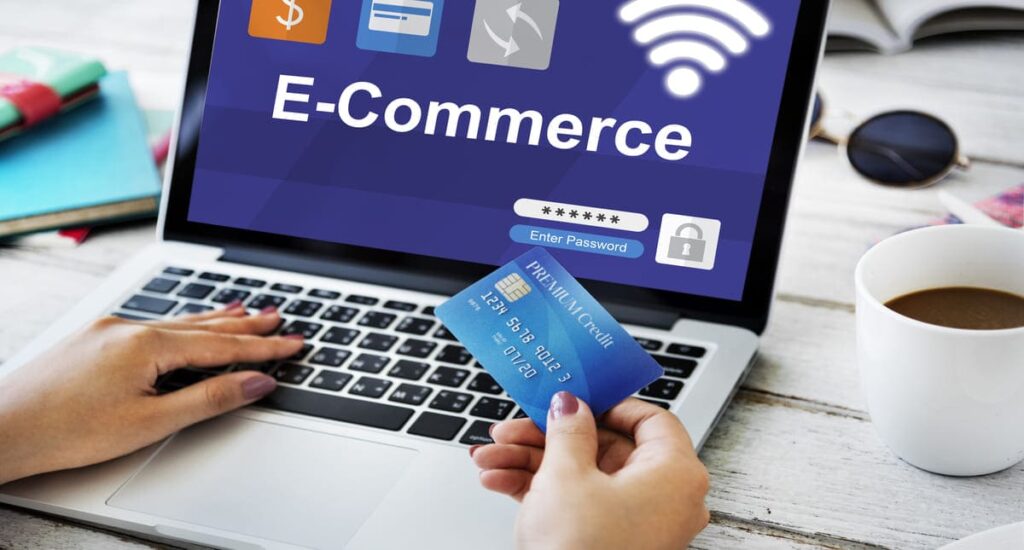
Everyone talks about selling online, but the ones who win aren’t selling generic stuff. They’re finding niches that Amazon doesn’t care about. I’ve seen people build entire stores around eco-friendly kitchen gear, hiking gear for women, or even quirky mugs with local slang. One of my buddies in Colorado started making candles inspired by U.S. national parks.
People adored it, even though he thought it was a comedy notion. He now operates a whole side business out of his garage. It’s considerably simpler now than it was before thanks to platforms like Shopify, Etsy, or TikTok businesses. The key? Don’t try to sell “to everyone.” Sell to a specific group that feels ignored and they’ll reward you with loyalty.
3. Online Education and Coaching

We live in an age where knowledge is currency. If you’re good at something, there’s a person out there willing to pay to learn it. I don’t mean you need to be some “guru.” You just need to be one step ahead of the person behind you. I once tested the waters with a simple online writing class.
Nothing fancy, just me showing people how to write clearer emails. To my shock, it sold out in days. People want easy, useful assistance. You may make money from your expertise by using platforms like Teachable, Gumroad, or even Zoom. The best part? You can record once and sell forever without having to sacrifice your day job.
4. Content Creation That Pays

This one might make you roll your eyes, but hear me out. Content creation isn’t just dancing on TikTok anymore. It’s podcasts, YouTube channels, newsletters, and review blogs. Brands are throwing billions into influencer marketing, and even micro-creators are cashing in. A carpenter I follow started a YouTube channel reviewing budget tools.
No fancy studio, no crazy editing — just him being honest. He grew to 50k subscribers and now gets free tools plus paid deals. The trick is showing up consistently and choosing something you actually care about. Because if you hate it, you’ll quit before it ever pays off.
“Being passionate about what you do is the best way to do great work.”
— Steve Jobs
There you have it: the truth. Create content on something you truly like if you’re going to do it. When passion is evident, people notice it right away.
5. Local Service Businesses

Sometimes the smartest business idea isn’t digital at all — it’s local. Dog-walking, lawn care, tutoring, cleaning, delivery services… These might sound old-school, but they’re profitable because people hate chores and are happy to pay for convenience. A friend of mine started walking dogs on weekends.
Nothing fancy. He printed flyers and posted in local Facebook groups. Within two months, he had so many bookings he had to bring on a buddy to help. That’s the thing about local businesses — they don’t need a huge audience. They just need a neighborhood. You can fit them in on the weekends or in the evenings if you have a full-time job until you’re ready to grow.
Conclusion

Starting a side business in 2025 doesn’t have to mean quitting your job tomorrow. It can be tiny steps — testing, learning, building — while keeping your safety net. Freelancing, niche e-commerce, online teaching, content creation, and local services all have something in common: they let you grow without betting the house.
Yes, it’ll take effort. Yes, you’ll have late nights and probably some failures along the way. But the upside is real. The chance to build something of your own. Once you taste that, even a small win, you’ll realize no paycheck from a boss can match it. Follow for more updates on Business.
FAQs
1. What’s the best small business to start in 2025 while keeping my job?
If I had to pick one, I’d say freelancing. It’s low risk, doesn’t need big money, and you can literally start tonight if you’ve got a laptop. Writing, design, video editing — companies need all that. You can squeeze projects in after work. If you hate sitting in front of screens, local services like dog walking or tutoring also work. In the U.S., people pay good money for convenience, and that demand isn’t slowing down.
2. Can I really run a side business without quitting my 9–5?
Completely. Leaving your job is ambitious, but not for the majority of us. You don’t have to risk rent money just for the sake of a dream. Instead, take a couple nights a week or some portion of the weekend. It may feel glacial, but glacial is safe. I’ve watched many people in the U.S. create something durable this way, and once the income catches up, that’s when you consider going all out.
3. In 2025, how much does it cost to launch a side business?
Way less than people expect. Some things like freelancing or coaching need almost nothing upfront — just Wi-Fi and time. E-commerce can cost more, but dropshipping and print-on-demand cut out the need for stock, so you’re not stuck with boxes of stuff in your garage. Even local hustles like cleaning or dog sitting might only set you back a hundred bucks or so for supplies. Money isn’t the blocker anymore — consistency is.
4. Which side businesses are most profitable in the U.S. right now?
It really depends on what you’re good at, but digital services are making solid money. Businesses would rather hire freelancers than add payroll. Online courses and coaching are another big one, because people want shortcuts to skills. Content creators — even small ones — are landing brand deals on YouTube and TikTok. Locally, pet care and tutoring stay strong because parents and pet owners always need help. Profitable doesn’t always mean fancy — sometimes it’s the simple stuff.
5. How do I manage burnout when juggling a job and a side business?
Honestly, burnout hits fast if you try to do everything. The best trick I’ve learned is to set limits. Pick a couple days a week for your hustle, and protect them, but don’t try to grind seven nights straight. Automate boring stuff where you can, like scheduling posts or emails. Don’t guilt yourself for resting — rest keeps you going. If the hustle drains all your energy, you’ll give up, and that’s worse than moving slowly.

Hi, I’m Sikander Naveed — the mind behind this platform dedicated to online earning, technology, and smart business ideas. I created this site to share practical knowledge, latest trends, and real opportunities that can help you grow financially in the digital world. Whether you’re looking to start a side hustle, explore passive income methods, learn about useful tech tools, or understand how digital businesses work, you’re in the right place.