
You’re drinking your morning coffee, browsing headlines on your phone, and there it is again—that ominous question: “Will artificial intelligence replace you – or help you thrive?” It’s no longer something only tech geeks discuss at conventions or science fiction enthusiasts argue about on the internet. It’s a question that is making its way onto kitchen tables and breakroom couches across the United States. From grade school teachers to delivery truck drivers who bring packages to the doorstep, money managers to mural artists, individuals are asking themselves how AI fits into the map of their own lives.It is no longer science fiction. It’s here, gently weaved into the tapestry of our everyday lives.That makes all of us somewhat interested, slightly uneasy, and terribly in need of some clear speaking.
AI at Work: It’s Already in the Room
Let’s be realistic: AI isn’t this cliche robot bursting into your cubicle and occupying your seat. It’s that veteran colleague in the corner quietly automating reports or cleansing your email box without ever asking for recognition. AI is sneaky. It’s HR’s resume sorter. It’s your email spellchecker. It’s the program that has learned your daily commute home from the office before you’ve even left the office. What’s fascinating is that we all already depend on AI but don’t realize it. It’s what’s driving your bank fraud warnings and the spooky capacity of Netflix to suggest a show you actually enjoy. It’s enabling doctors to diagnose faster and marketers to try things faster.
It’s not to make you obsolete—it’s to release you from the grueling, redundant work so that you can be brilliant at what human beings were placed on this planet for: When the script gets altered, improvise, connect, and invent. But the thing is—the catch is—that just because it’s useful doesn’t mean it’s harmless. With every job automated, somewhere someone asks: Am I next?
Some Jobs Will Vanish. Others Will Change

Let’s give the devil his due. Some professions won’t survive this revolution. If your work is largely a repeat of the same thing and involves little judgment, it’s under threat. Data entry, telemarketing, simple bookkeeping—these are roles being automated into oblivion by programs that don’t need lunch breaks or typos. But—and this is an important but—experience has taught us that when technology shuts a door, it usually opens many others. People thought bank tellers were unneeded when ATMs were introduced. But the work adapted. Tellers became customer service representatives and loan consultants. When the internet exploded in the market, it did not put travel agents out of business; it created digital marketing, user experience design, and distance technical support.
The same today. We’re having new careers emerge—AI trainers, prompt engineers, data ethicists—careers that didn’t exist a few years back.That’s opportunity, not evolution. This change may be a career enhancer rather than a career destroyer if we prepare the workforce for what lies ahead rather than clinging to the past.
Why AI Still Needs Us (And Always Will)
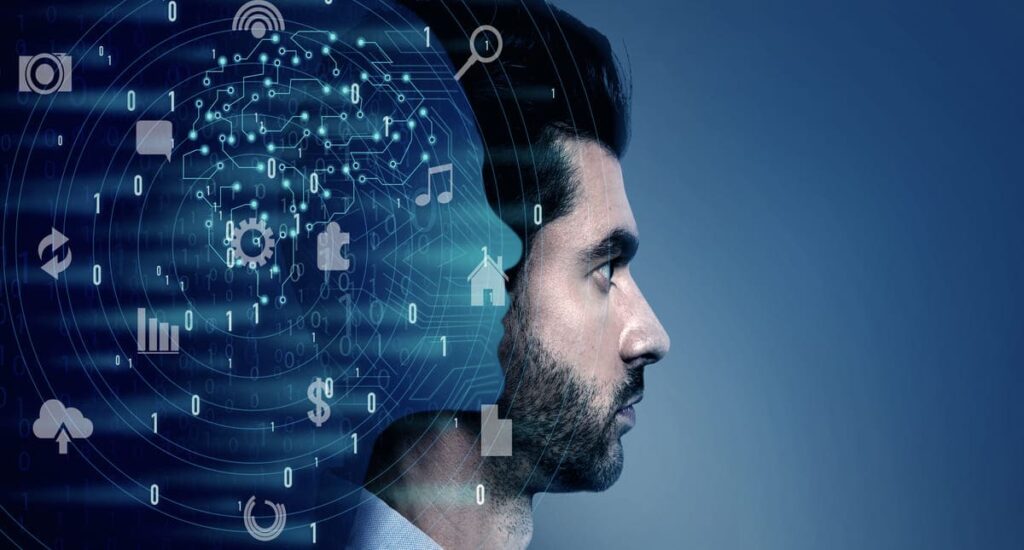
No matter how intelligent AI may appear, it’s not really “thinking.” It doesn’t grasp irony. It isn’t capable of actually understanding what it means to be swamped, fired up, or brokenhearted. It has no idea what it’s like to hear someone claim to be alright when they’re clearly not. We still possess that kind of consciousness—the contextual, emotional, and profoundly human aspects. Take any creative job. Although a machine can compose music, it is incapable of understanding grief. It can draft an email, but it can’t read the room. It can summarize data from a hundred patients, but it can’t look someone in the eyes and say, “We’ve got this.”
Even in technological effort, judgment matters. AI will help a lawyer with research, but only a human being can sense the unseen tension of a courtroom. Lesson preparation can be facilitated by it, but it cannot encourage a youngster to have confidence in themselves. The more we automate ordinary tasks, the more valuable those distinctively human abilities become. No, artificial intelligence won’t take away your soul, your spark, or your creativity. If nothing else, it’s teaching us the worth of those things.
Learning to Work with the Machine, Not Against It
The truth is that you have to learn to work with AI, not against it, if you want to succeed in this era. Staying up doesn’t need you to become a data scientist or learn to code. But you do need to remain curious. Remain flexible. Question things. Learn the tools. Discover how AI can simplify your life or make your job simpler. Just having that mentality puts you ahead of the curve.
Imagine AI as electricity when it was first brought into the world. Then it went on to change whole industries—only to be something everyone ended up using without so much as a second thought. AI is on that same trajectory. It’s not who creates the most wonderful model; it’s who masters the tools. That might be you—if you’re going to lean in rather than lean back.
Final Thoughts

This is how to look at it: AI is a mirror. Our efforts are reflected in it. We may be held back if we perceive it as something we must struggle against, which will cause us to push against it. However, if we view it as a partner—imperfect, maybe, but capable of some incredible things—we may be creating our finest work ever. In the future, ethics, empathy, and creativity will be more crucial than ever. The most sought-after skills are those that machines cannot duplicate. For those of us who still have important problems to solve, relationships to build, and tales to share, it is fantastic news.
Let us return to the initial query: Will AI take your place or set you up for success? The honest truth is, the answer isn’t programmed. It’s in the way you react, the way you shift, and the way you become. The future’s not man vs. machine. The future’s machine plus humans. That’s one worth arriving at. Follow for more updates on Technology.
FAQs
1. Is AI coming for my job?
Let’s be real — for some people, yeah, it might be. If your job is super repetitive and doesn’t leave much room for personal judgment or creativity, it could be on the chopping block. But for most of us? AI isn’t here to take over — it’s showing up to take off some of the pressure. The boring stuff. The draining stuff. If we’re willing to adapt a little, it might actually make room for us to do more of the work we’re proud of.
2. I don’t speak tech. Am I already behind?
Absolutely not. You don’t need to understand code or follow every new trend to be “relevant.” What matters more is your mindset. Are you willing to try? To stay curious? That’s the game-changer. Even exploring how AI can help you do everyday things — writing an email faster, organizing your week — puts you ahead of most people who are still ignoring it.
3. Are there actually new jobs coming out of all this AI hype?
Yes, if you believe it. Not all tech professions are dull. AI whisperers, also known as prompt engineers, AI ethicists who advise on its equitable application, and even AI storytellers who assist brands in connecting with consumers through more intelligent content are currently earning a profession. None of these positions existed five years ago. There will be more soon.
4. Can AI ever replace real creativity?
It can copy, but it can’t create from the soul. AI can mix colors, finish your sentence, or draft a melody. But it doesn’t know what it feels like to miss someone, to stand in the rain and rethink everything, or to laugh so hard you cry. That’s where you win — because no machine can truly feel. Real creativity always comes from feeling.
5. What can I do today to stay ahead of all this change?
Start small. Play with a tool. Ask questions. Watch one video that explains something new. Right now, you only need to be willing to stay open; you don’t need a 10-year plan.. AI isn’t some monster to run from. It’s a tool. Those who will succeed in the long run? They are the ones who learn to cope with it and remain human.

Hi, I’m Sikander Naveed — the mind behind this platform dedicated to online earning, technology, and smart business ideas. I created this site to share practical knowledge, latest trends, and real opportunities that can help you grow financially in the digital world. Whether you’re looking to start a side hustle, explore passive income methods, learn about useful tech tools, or understand how digital businesses work, you’re in the right place.