
When I first came across the idea that AI tutors show their potential in interactive workplace learning, I honestly thought it sounded like another corporate gimmick. I pictured robots teaching people in suits, and it didn’t seem real. But over time, as I started seeing how these systems actually work in companies around me, my whole perspective shifted. They’re not replacing human teachers or managers; they’re becoming part of the team — quiet partners that make learning easier, smoother, and a lot more personal. The more I saw them in action, the more I realized that AI tutors aren’t the future of workplace learning — they’re already here, quietly reshaping how we grow at work.
“The real power of AI in learning isn’t about replacing people — it’s about helping them discover how much more they’re capable of when knowledge feels personal.”— M. Ahmad Zawar

The End of Boring Training
We’ve all been there — those boring, long training sessions where you’re sitting in a room, resisting the urge to sleep, and waiting for the slides to finish. No one gets inspired from this type of learning. What AI teachers have done is made training more real — more conversational than it is lecturing. They observe how quickly you’re learning, what you’re doing right, and where you get stuck. Rather than simply moving on, they stop, clarify differently, and check back again. It is just a subtle thing, but it makes all the difference.
A friend of mine works at a telecom company, and they’ve been using an AI tutor system for their sales teams. He told me it felt weird at first, talking to a computer about customer communication. But after a few sessions, he realized the AI actually remembered his weak spots and built lessons around them. He said, “It’s like this thing actually knows how I learn better than I do.” That’s what personalization in learning should feel like — real, responsive, and kind of human in its own way.
Turning Knowledge Into Practice
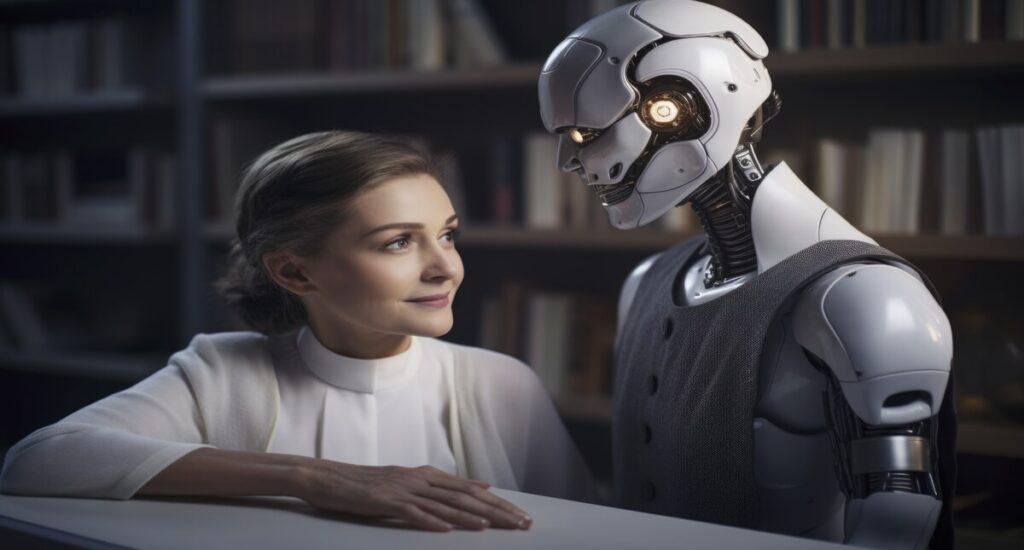
What’s most exciting about AI tutors is how they connect learning with real work. In traditional training, you learn the theory, pass a test, and then maybe never use that knowledge again. But AI tutors make the experience interactive. Imagine learning customer service or project management through simulated conversations and live feedback. You get to try, fail, adjust, and try again — without the embarrassment of doing it wrong in front of real clients or your boss.
I saw this firsthand at a company I briefly consulted for. They were using an AI tutor to train new hires on conflict resolution. It created scenarios with virtual customers, complete with emotions, tone, and attitude. The AI didn’t just grade answers — it responded like a real person. You could feel the tension in some conversations, but that’s what made it effective. When new employees later handled actual customer complaints, they were calm, confident, and fast. It was proof that this kind of training sticks because it’s grounded in practice, not memorization.
Learning From Data, Not Just Lessons
Another thing people don’t realize about AI tutors is how smart they get over time. Every click, every pause, every answer helps them understand how people learn best. For managers, that’s gold. Instead of guessing who’s struggling or who’s excelling, they can see clear patterns. If most employees stumble over a certain topic, the company can fix it right away instead of waiting until the next performance review.
I once talked to a learning manager who said their AI tutor actually helped identify hidden talent. Some employees who weren’t very vocal in meetings turned out to be excellent problem-solvers in training sessions. The data revealed that they were fast learners and great at creative thinking. Those insights helped the company promote people based on skill, not visibility. That’s the kind of quiet transformation AI brings — one that recognizes effort and growth even when it’s not loud or obvious.
Making Learning a Team Thing

One of my favorite things about AI tutors is that they don’t isolate learners. In fact, they can make teams work better together. I’ve seen setups where employees learn in small groups, while the AI tutor keeps track of progress and even suggests when to switch partners or discuss certain topics. It’s like having an invisible facilitator who keeps things fair and flowing. People start helping each other more, sharing tricks, and learning collectively.
I’ve noticed that once employees realize learning doesn’t have to feel formal or forced, they start engaging with it naturally. AI tutors help create that atmosphere. They remove the pressure of performance and replace it with curiosity. When you’re not being judged, it’s easier to open up, make mistakes, and actually learn from them. That’s how real growth happens — in honest, comfortable spaces where learning feels like a shared journey instead of an obligation.
Facing the Trust Issue
Now, I won’t pretend it’s all perfect. A lot of people still don’t trust AI when it comes to personal learning. Some worry it’s tracking too much, or that it might replace human trainers entirely. I get that — the fear is real. But the truth is, AI tutors work best when they partner with humans, not replace them. The system handles repetition and feedback, while real mentors focus on motivation, creativity, and empathy — the stuff no algorithm can fake.
I’ve seen teams overcome that fear by being transparent about how the system works. When people understand that their data is used to help them, not spy on them, they relax. Over time, they even start appreciating how much easier the AI makes things. It’s not there to judge, just to guide. Once that trust builds, learning becomes something people actually look forward to, not something they have to do.
Proof That It’s Working

We’re already seeing real success stories. In the tech industry, developers use AI tutors to learn new programming languages through live code feedback. Instead of waiting for a manager to review their work, they get instant suggestions and explanations. In customer-facing businesses, employees practice with virtual clients before stepping into real interactions. In healthcare, medical staff use AI tutors to simulate emergency procedures — learning how to stay calm and make the right calls under pressure.
These aren’t futuristic experiments anymore. They’re happening quietly in offices, hospitals, and classrooms right now. The feedback has been overwhelmingly positive. Employees feel more confident, training takes less time, and companies see better results. It’s a win for everyone involved.
Where It’s All Heading
In my view, we’re only just starting. As the technology becomes more sophisticated, these tutors will become more human — not in a sort of sci-fi horror way, but in the sense that they will understand emotion and motivation. Picture an AI tutor that senses your exasperation and proposes a time out, or one that acknowledges small victories with you like a good teacher should. That emotional depth might make learning not only smarter but also nicer.
Still, I think the best learning will always be a mix of both worlds — the precision of AI and the empathy of humans. Machines can remind us what to learn; people remind us why we’re learning. The future of workplace learning will belong to teams that can balance both sides gracefully.
Final Thoughts

At the end of the day, AI tutors aren’t just teaching people new skills — they’re teaching organizations how to learn better. As AI tutors show their potential in interactive workplace learning, they’re proving that education doesn’t have to feel like a chore. It can be flexible, fun, and deeply personal.
I’ve seen enough examples now to believe this isn’t just a passing phase. AI tutors are giving people control over how they grow. They’re helping companies see learning not as a cost but as an investment in their people. Maybe that’s the most human thing about them — they remind us that learning is a journey, not a checkbox. With the right tools, that journey never really ends. Follow for more updates on Technology.
FAQs
1. What are AI tutors in workplace learning, really?
You can think of AI tutors as digital mentors that help people learn on the job, but without the boring parts. They don’t just throw information at you — they actually listen, observe, and adjust based on how you learn. When you’re stuck, they slow down. When you’re doing well, they gently push you to go further. It’s like having a patient teacher who never gets tired of explaining things in different ways. In most companies, they’re becoming that extra hand everyone wishes they had during training.
2. How do AI tutors make learning feel more real and engaging?
Honestly, it’s the interactivity that changes everything. Traditional training can feel like watching paint dry — you sit through slides, zone out, and forget most of it by the next day. AI tutors flip that around. They talk to you, ask questions, and sometimes even throw you into mini simulations that feel close to real work. You’re not just memorizing stuff; you’re doing it. That’s what makes it fun — it feels like practice, not punishment.
3. Are AI tutors going to replace human trainers?
Not a chance — and I say that with confidence. AI tutors are amazing with data, structure, and repetition, but they don’t have what makes human mentors special: empathy and intuition. People still need people, especially when learning something complex or emotional. The best approach I’ve seen is when both work together — the AI handles the technical side while the human trainer steps in for the emotional connection. It’s not a battle between man and machine; it’s a partnership that actually works.
4. Should employees be worried about privacy when using AI tutors?
That’s a totally fair question — a lot of people get nervous about this at first. But the truth is, most AI tutoring systems don’t care about spying on you. They care about helping you learn better. The data they collect is usually used to understand what topics people struggle with or how training can be improved. The best companies are very upfront about what they track, so nothing feels sneaky. Once people realize the goal is to help, not monitor, that fear tends to fade away.
5. What’s next for AI tutors in workplace learning?
Ask me and the future is rather thrilling. We’re moving towards AI tutors who not only understand what you need to study — they’ll sense the way you feel when studying. Picture one that detects you’re getting frustrated or bored and says, “Hey, let’s take a quick break,” or, “You’ve got this — let’s do it again.” It sounds crazy to imagine, but it’s closer than most people know. Yet, no matter how intelligent they become, I believe the very best learning will always require a human touch. AI can lead us, but it’s the human beings who motivate us to keep moving forward.

Hi, I’m Sikander Naveed — the mind behind this platform dedicated to online earning, technology, and smart business ideas. I created this site to share practical knowledge, latest trends, and real opportunities that can help you grow financially in the digital world. Whether you’re looking to start a side hustle, explore passive income methods, learn about useful tech tools, or understand how digital businesses work, you’re in the right place.