
In all honesty, I had no idea what I was doing when I first considered opening a business. I had ideas, certainly, but nothing solid. I recall sitting at my small kitchen table, laptop on, bag of chips open on the side, looking at the empty screen thinking, “Am I losing my mind?” I was wanting to work for myself, wanting to build something that counted, but I had no plan. That’s when I began researching 5 Profitable Small Business Ideas For New Founders—ideas for small businesses that weren’t hype but actually feasible. The last few years, I’ve done a lot of things—some bombed, some scrimped by, and a few were pleasant surprises at how well they performed. Here’s what I know, in a very personal, “this is how it really happened” sort of way.
1. Digital Marketing

My business experience was an accidental one. A friend who owned a small bakery called me one afternoon and said, “Hey, can you assist me with Instagram? I have no idea where to start.” I laughed nervously and said, “Okay, I guess,” even though I had never done anything close to it. I spent nights observing YouTube tutorials, testing hashtags, and attempting to figure out which photos really got people to care. Nothing happened during the first week. But by the second week, she sold through cupcakes more quickly than ever before, and I received my first “thank you” text from her that made me feel like I had really done something.
I realized then that companies don’t pay for fancy names; they pay for outcomes. Spending a lot of money is not necessary. Just a little imagination, a little perseverance, and a willingness to try new things. In time, I acquired more clients, and my small “side job” became a small consulting firm. The wild thing? I still recall the late nights, consuming too much coffee, and thinking I’d never make a real dollar from doing something that seemed just like assisting friends. But you can. You simply have to begin.
2. E-Commerce: Learning by Doing

Soon after, I became interested in selling things online. I didn’t know the first thing about it, but I purchased some eco-friendly candles and created a simple Shopify site. I spent literally hours photographing them on my kitchen table, imagining myself as a pro photographer. The first week, nothing. Zip. Nada. The second week, my friends purchased some. Then, gradually, strangers began ordering. It was dreamlike.
E-commerce also taught me a great deal about branding and patience. I learned that people purchase stories, not products. If you are passionate about what you sell and demonstrate it, others pick up on it. I also learned the hard way that shipping logistics will drive you nuts. But that is part of the deal. That little store? It turned out to be profitable, and it made me believe that even the smallest and untidy starts could develop into something tangible.
3. Coaching and Sharing Experience

It was a typical day. Someone wrote to me, emailing, “Your Instagram posts inspired me to quit my job and become a freelancer at last. Can we speak?” Alarm bells clanged. Me? Coach? I didn’t feel qualified. But I said yes. That initial session was frightening. I had no script, I just spoke from what I knew, and listened to their problems. They wrote back a week later, telling me, “This changed everything.”
I came to see that coaching doesn’t have to be perfect at that point. Compassion and honesty are essential for coaching. You’re helping them imagine possibilities rather than giving them all the solutions. I began producing seminars for small groups, taking on additional customers, and even setting up some online sessions. All you needed to get it rolling was a laptop, Zoom, and the courage to talk honestly. To be honest, it is invaluable to see someone take action as a result of your counsel.
4. Green Products: Mission Meets Money
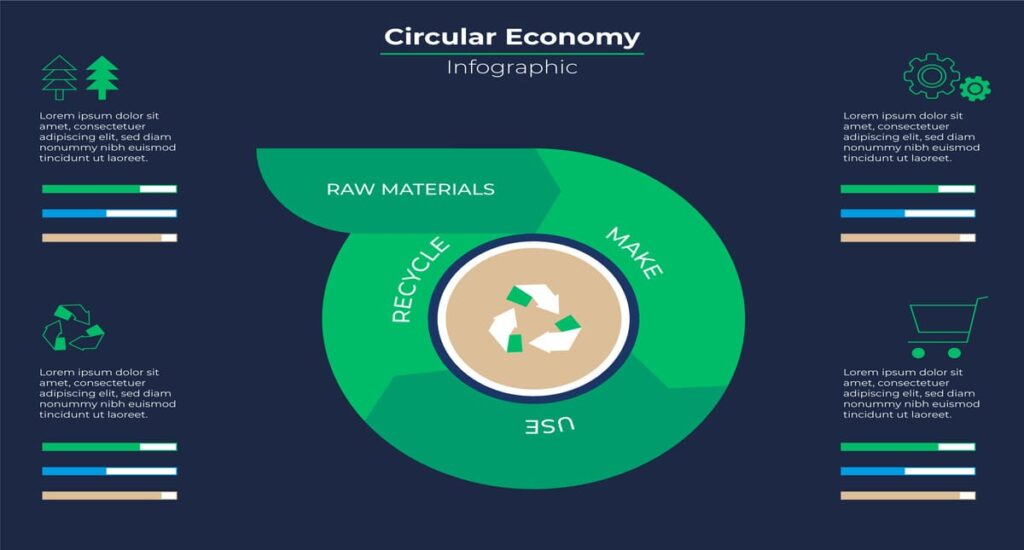
My girlfriend asked me one day, “Are we just creating things to sell, or are we really making the world a better place?” That stuck with me. I shifted into green products—reusable shopping bags, bamboo toothbrushes, small things that really counted. It wasn’t simple. Suppliers were lagging, costs were higher than I would have liked, and some shipments got completely fouled up.
But the customers who discovered us didn’t simply purchase an item—they purchased a story. They took the time to care, they sent us little notes, and that empathy became loyalty. I figured out that if your company has meaning, it tends to attract individuals who truly care, and that loyalty can become sustainable growth. I didn’t only learn to sell; I learned responsibility and how to tell a good business story.
5. Mobile Apps: Solving My Own Frustrations

The last idea came from pure frustration. I had multiple projects, stores, and clients, and no single app could help me manage everything. I decided to build one myself. I had zero coding experience, but I found a freelance developer and pitched an idea for a simple productivity app for freelancers. It wasn’t great, but it was sufficient. A few friends experimented with it and adored it. Gradually, more individuals joined the bandwagon.
That small experiment taught me that technology isn’t about brilliance—it’s about getting real things done. If you can assist even a few people to perform their job better, there is value in that. That is where innovation and empathy cross paths, and truth be told, that’s one of the most thrilling aspects of owning a business.
Conclusion
Looking back, I see a pattern: all of these projects started off tiny, clumsy, and flawed. I made a lot of mistakes and gained a lot more knowledge than I ever could have imagined. However, that’s the problem. You start with what you know, try, fail, adapt, and it gradually expands. My advice to aspiring entrepreneurs is simple: don’t wait to have the ideal strategy. With what you already know, start where you are and pick up new skills as you go. Digital marketing, e-commerce, coaching, sustainable goods, and app development are just a few of the concepts I listed.
No need for millions of cash, big teams, or opulent headquarters. You need to be open, tenacious, and curious every single day. Running a business isn’t neat. It may be exhausting at times, hectic, and personal. However, the growth—and yes, the profit—will happen on its own if you can embrace that turmoil and make something that genuinely connects with you and your clients. Believe me? Some of the finest instruction you’ll ever get comes from those first hesitant steps, the stumbles, the tepid coffee, and the sleepless nights. Follow for more updates on Business.

Hi, I’m Sikander Naveed — the mind behind this platform dedicated to online earning, technology, and smart business ideas. I created this site to share practical knowledge, latest trends, and real opportunities that can help you grow financially in the digital world. Whether you’re looking to start a side hustle, explore passive income methods, learn about useful tech tools, or understand how digital businesses work, you’re in the right place.